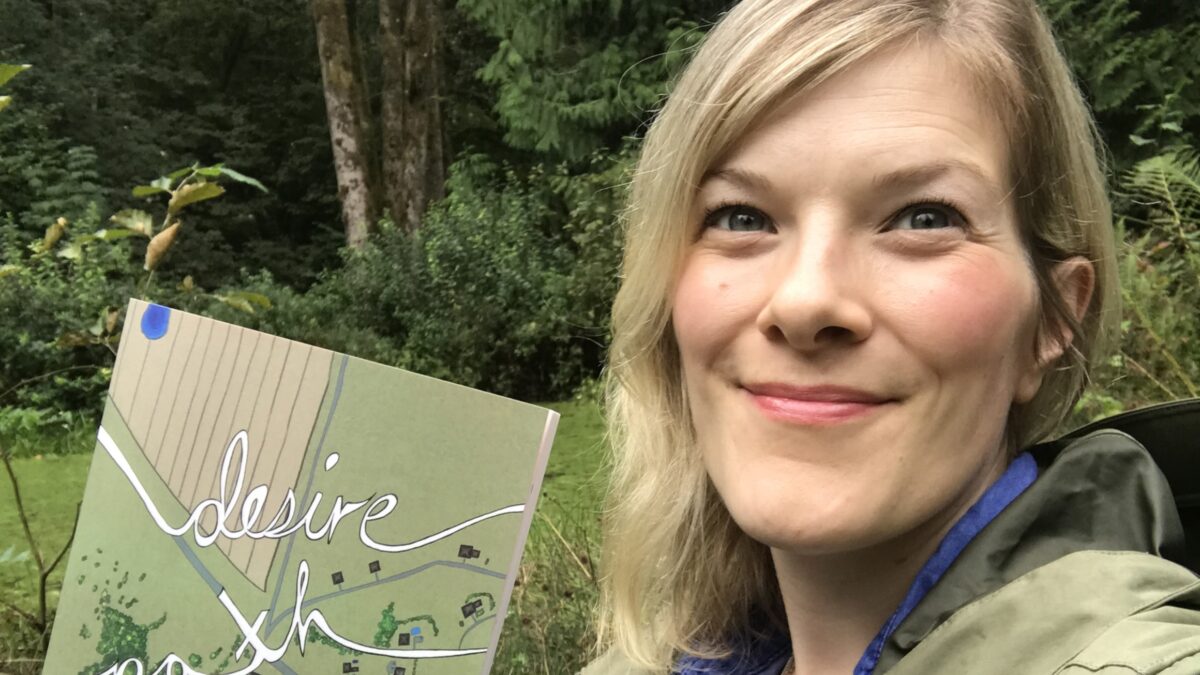
A wonderful moment happened last week – my box containing Beautiful Unknown Future arrived in the mail! It was a hefty box, one that felt so good to see. Thank you to Talonbooks for everything they did to get these poems into the world.
Unboxing video
With the books here, that means this book is available to order now and it will show up at your home ready-to-read promptly.
Check out these links or get in touch with your favourite bookstore to order a copy today:
2025 was the year I discovered I really like to explore castles, and read about history and local lore. I loved these types of activities when I was younger, but over the years I didn’t make time for it. Luckily, this year brought it all back.
It was also the year I published my first novel, and edited and shaped my second poetry collection that will be out in the spring. I was able to stick to a writing routine that worked for me, and arranged my office so it really was a room of my own that I enjoyed working in. I call it my “everything room.” It has my stationary bike, my guest bed, my desk, and a wall of books.
I took a floatplane for the first time to Salt Spring Island in April. When I took it again in November, I felt like a pro! There was something special about stepping down from a small floatplane onto a dock and being right in the harbour of quaint Ganges.
Inside Edinburgh Castle
But let’s start from the beginning…
Writing
Once I became a mother all those years ago, I felt a large shift within me. I was responsible for someone so small, so young. Minutes old, days old, months old. It was then I felt that life wasn’t this long journey, but something that was finite. It was with the thought of finiteness that I started to take my own routines and ambitions as a writer seriously. This could have also been that as a new mother, my focus areas changed and I didn’t have as much time to work on my writing. That made a sustainable writing routine all the more important.
This is to say that I am happy to report that I kept my writing routine going in 2025, well pretty much. I engaged in both the substantive and copy edit of my next book, Beautiful Unknown Future and worked away on the draft of my next novel. The substantive and copyedit of Beautiful Unknown Future was a great experience. I worked with poets Stephen Collis and ryan fitzpatrick. They both read my manuscript with care and gave me valuable feedback.
The publishing of my first novel took happened in April 2025, and it was quite surreal. I did some readings and book signings, and took part in a panel at the Fraser Valley Writers’ Festival (hosted by the University of the Fraser Valley). It was so much fun!
Jen Sookfong Lee, Nick Thran, Heather Ramsay, me, and Kayla Czaga after our panel on the theme “Sound.”
Travel
Travel began in 2024 and continued into 2025, with a dream trip to Scotland, England, and Ireland in the spring. We took trains, planes, and Ubers. It was so much fun. I soaked up the history and enjoyed trying new food and explored so many amazing shops and bookstores.
Closer to home, the travel experiences continued with a family trip to Victoria where we had a great time enjoying the ferry, the views, and quaintness of downtown Victoria.
I also ended up on Salt Spring Island not one but twice. It’s a beautiful little spot.
Provincial Legislature in Victoria.
Next year
With a new year just around the corner, I’m looking forward to bringing much of what worked well from 2025 forward. This means keep a writing schedule and being gentle with myself if I can’t keep it up sometimes. There are seasons for generating and there are seasons for rest and reflection, this I’ve learned all too well over the years.
I’ll be happy to launch my new book in the spring, and hopefully finish up my novel project. Perhaps there will be a few special travel experiences as well. Oh, and I’m sure I’ll read a bunch of great books.
The following essay appeared in the summer 2025 edition of WRITE magazine.
When my daughter and I visited an eerily empty mall when she was a toddler, she did something wonderful: she started joyfully running. Suddenly, the cavernous corridors of the empty mall became a much-needed playground on a rainy day.
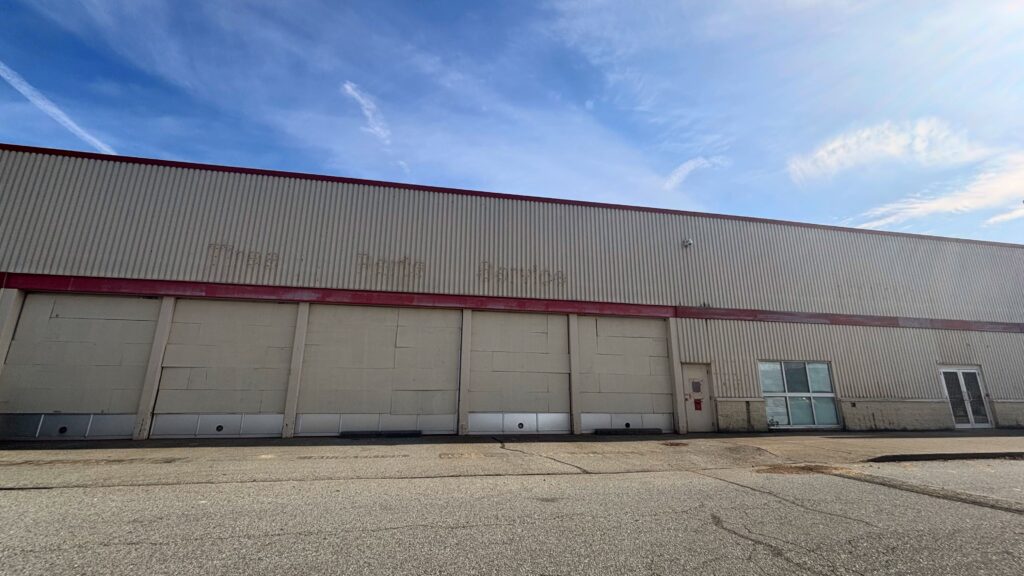
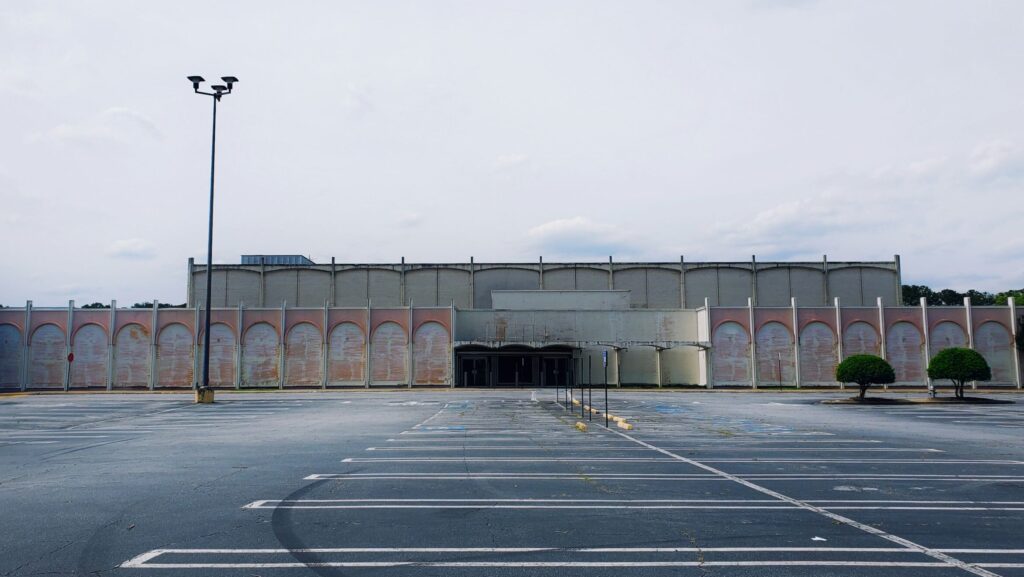
Once I caught up with her, we walked hand-in-hand through the hallways of the mall, past the shops and food court restaurants, and alongside the thick maintenance doors that remained firmly shut to the outside world. Many of the stores in this mall sat vacant with yellowing paper covering their windows, so it was no wonder few people were there that day. We were drawn to the indoor space, but as we walked along more and more empty storefronts, I couldn’t shake the feeling that dead malls were creepy.
My first jobs as a teenager, then later as a university student, were in malls and they’re spine-tingling places after hours. Loading bays with janky doors, dark and windy maintenance routes, shadowy corridors, and, yes, small furry creatures scurrying about. I worked at sporting goods stores and home stores, and I remember the chill that ran down my spine as I walked alone through the parking lot each night to toss the garbage in the dumpster and how the rattle of the heavy lid slamming down echoed through the darkness.
While my daughter and I wandered, the dead mall as a mysterious setting got my imagination going. Was the fading mall with a high vacancy rate kind of gothic?
An old castle or a crumbling mansion. A woman in distress. A paranormal vision (or two), and the dangerous secret shrouding the mystery behind it all. The elements of a gothic story have haunted the pages of novels for hundreds of years.
Could a mall become one of those elements too?
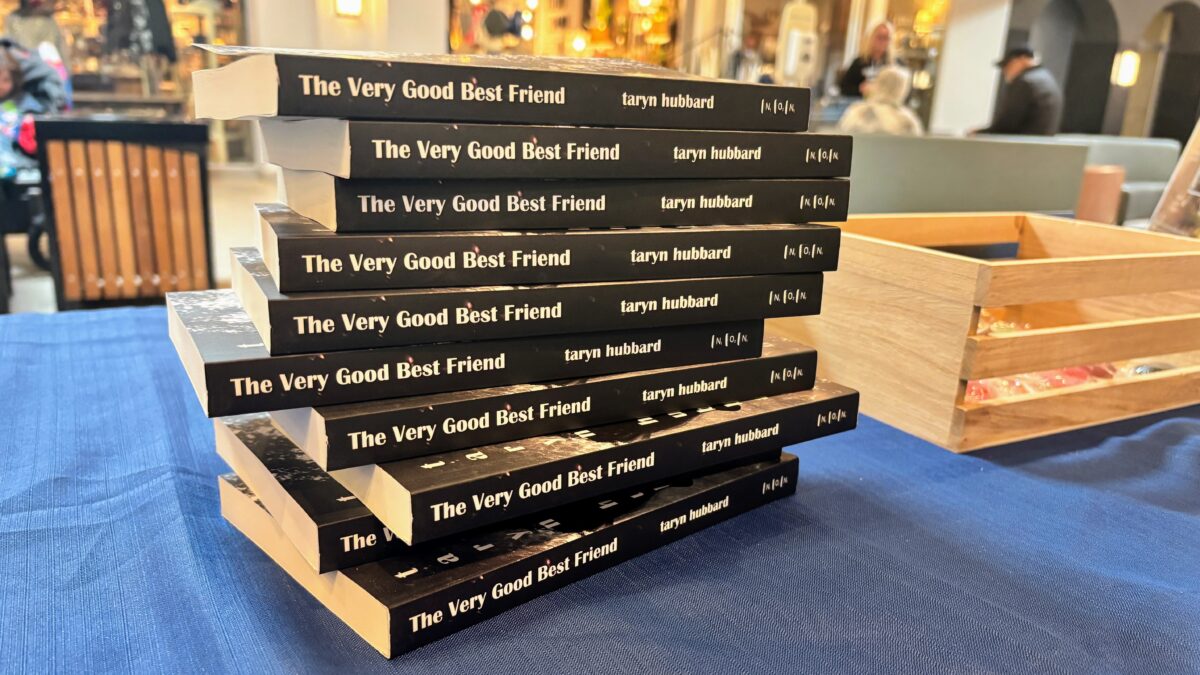
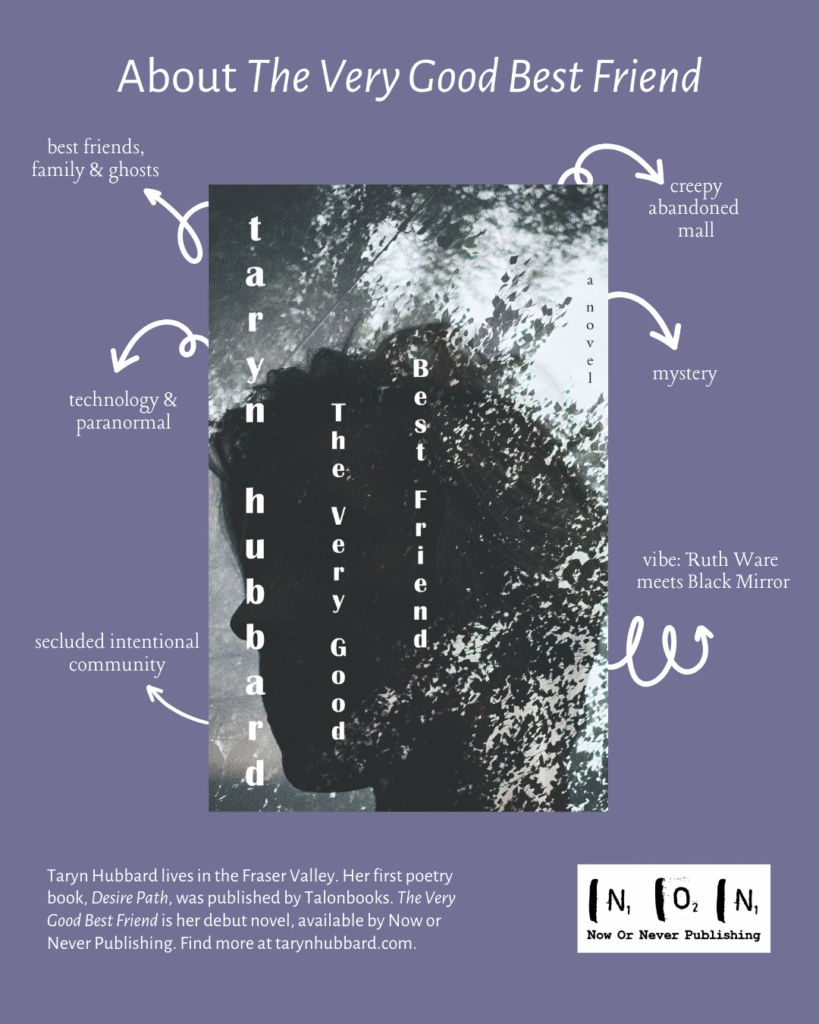
When I set out to write my debut novel, The Very Good Best Friend, the dead mall became more than just the chilling contemporary gothic setting for Carolyn’s journey from uptown New Westminster to an imagined town in the East Kootenays called Valley Falls. I began to see how the mall was not only a setting I found engaging but a vehicle to explore themes of generational wealth, grief, family history, and friendship. The abandoned mall Carolyn is searching for has been reborn as a mysterious intentional community run by a billionaire where all community members have the gift of student loan forgiveness. The catch is, they must work at this hidden mall under mysterious circumstances and go no-contact with all outsiders.
Along the way, Carolyn is confronted by ghosts of her own that she must face to make way for her growth. When she begins seeing something important from her past, she presses through the vision to focus on finding her friend. However, she can’t run from what she’s seeing, no matter how many crumbling mall corridors she passes through.
It wasn’t until the second or third draft that I even realized I was writing a contemporary gothic novel. Those first drafts were about getting the journey down on paper and the traces of a story arc. My more tactile memories of the mall all added to the atmosphere of the setting as I wrote: windy maintenance routes that were easy to get lost in, huge, wrap-around parking lots that went on and on, and the tacky mall décor that was always covered in dust. These details added the texture and nuance I needed to make Carolyn’s exploration of the mall authentic and spooky. Animals lurk in the rafters and decades old food court menus untouched by inflation litter the floors.
Even though I found old dead malls creepy, remembering the joy of my daughter running and using the empty space of the mall stayed with me as I wrote. If an empty mall could be a modern day stand in for a haunted castle in a contemporary gothic, then maybe it could also be something else, something more, and that “something” is what I set out to discover in The Very Good Best Friend.
This spring my debut novel, The Very Good Best Friend, launched into the world and I’ve been busy reading the book, promoting it, and writing content about some of its themes.
Essays
Essays related to the book have been published online, with more slated for later in the year. It’s wonderful to have this space to step back and think about my inspirations and interests in this way:
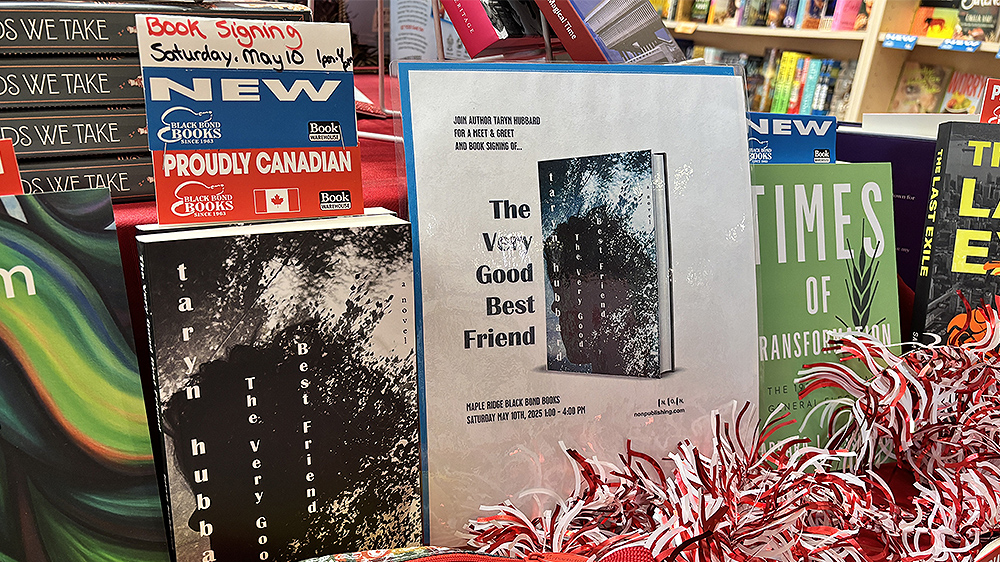
I had my first author visit ever at Black Bond Books in Maple Ridge earlier in May. I was set up right outside the entrance and it was fun to chat with locals, friends, and family in the mall on a rainy day. We sold books! This was really cool.
Next month I’ll be at The Owl & The Cat Bookery in Garrison Village in Chilliwack for another author signing event. I’m looking forward to it, and hope to continue the conversation.
Book readings
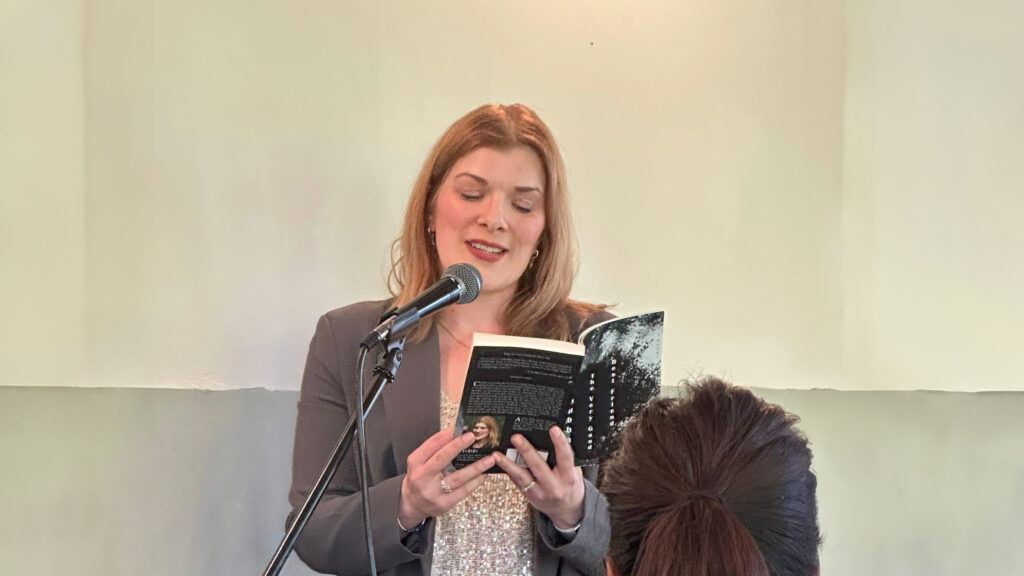
A book launch wouldn’t be complete without readings. It’s been fantastic to get out and read from the book. I read at Words in the Burbs at the charming Western Sky Books in Port Coquitlam in April, as well as Sidekick Brewing in Chilliwack in mid-May.
Next steps
As I’ve noted in posts before, an author’s work is never finished! I’ve been on my social media with updates, graphics, media coverage, and recaps, and will continue that into the summer.
I’m also interested in connecting with book clubs, so if you run one and would like to read The Very Good Best Friend, I invite you to connect with me.
If you’re read the book, consider dropping a review on Goodreads or another book sharing website.
The term “indie” author means different things to different people. In this post, I’m thinking of indie author as someone who publishes with smaller, independent presses, otherwise known as indie presses.
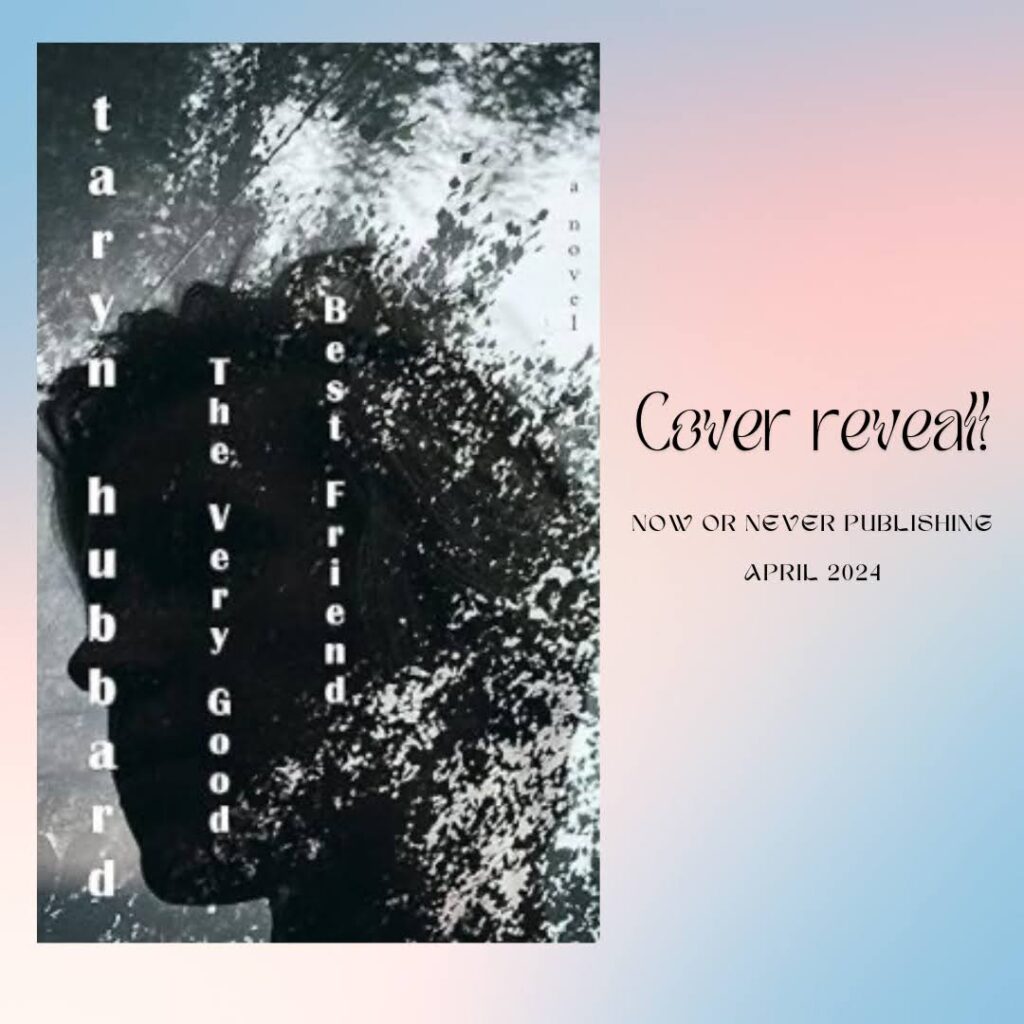
Last week I prepared a few graphics for social media to share the cover of my debut novel, The Very Good Best Friend. It was an exciting moment to post this cover, which I adore, and to share a few words about the premise of the book with my followers, who are mostly friends, family, and people who know me personally.
Social media post sharing the cover of my debut novel, The Very Good Best Friend.
The experience got me reflecting about my journey as a writer who has had the opportunity and good fortune to publish with independent presses in Canada.
Here is what I’ve learned so far about writing as an indie author:
#1: Write (and Edit!) the Weird Thing
My first poetry collection, Desire Path, took many years to write. By the time it was published, I felt like I had been working on those poems for close to a decade. I’m not sure if it was quite that long, but the poems felt like they were a part of me. This is to say that I spent a lot of time with that work. Poems from this collection were with me during different seasons of my life and, yet, I still felt energized by them as I crafted and refined them into a collection. I wasn’t writing what I thought someone should write, I was writing what I wanted to write. In Desire Path, I wrote about my specific experience in a specific community in British Columbia. When I read the poems now, I can still remember parts of my old neighbourhood and my old life, the things I saw, the places I visited, and how I interpreted the environment. As a reader, I like learning about other people’s neighbourhoods in this way. In fact when I travel I will seek out a very local or regional literary book, just to know what the poets are saying about the place (because it’s always much more interesting than any generic tourist pamphlet).
I was lucky to connect with a publisher that regularly publishes local perspectives on place and experience called Talon Books. Independent publishers are vital for their work bringing local and regional culture to a broader audience.
So write the weird thing. Pursue the project that excites and fuels you as a writer and a thinker, as a storyteller, because you will be spending more with those words, in that world time than you realize.
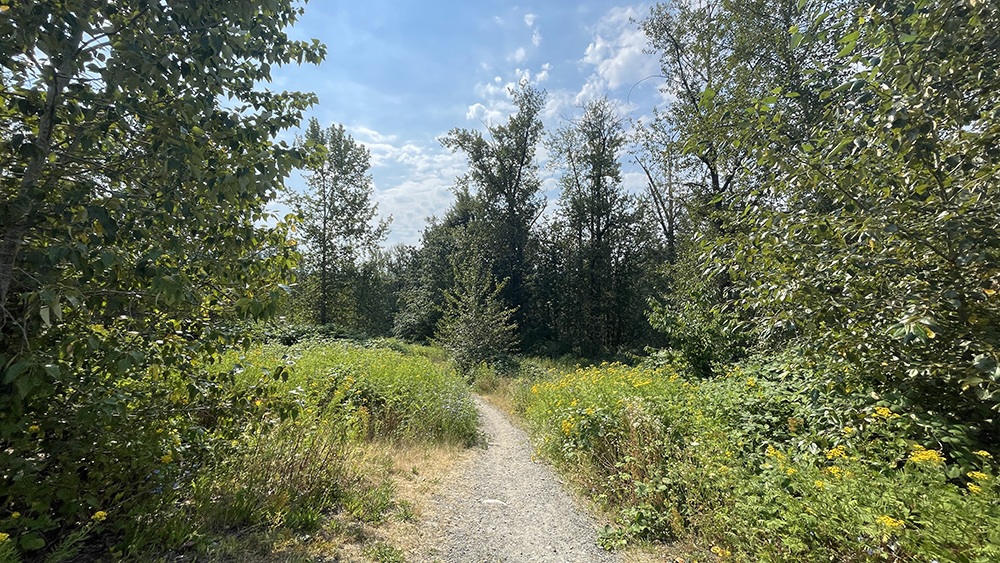
A pretty desire path in my new neighbourhood.
#2: Develop Your Publicity Chops
DIY Publicist? It’s not the first hat you think you’ll need to wear when you become an author, but it doesn’t hurt to start framing your writing through a publicity and marketing lens. In fact, once you have your manuscript in a solid place (don’t rush this and share it with beta readers if you can for feedback), the process of explaining and positioning your work begins and, honestly, it never really ends.
There are several key aspects of publishing with indie presses that will require you to start thinking like your own publicist. The first being your query letter. This is a one-page document that serves as your pitch to the editor where the intention is to pique their interest so they will read your sample pages and ask to see your full manuscript. A key component of the query letter is sharing your book’s hook. A hook grabs a reader’s attention, compelling them to flip page after page. Maybe you have known what your hook is from the moment you hit the keyboard or maybe you need time to really hone in on what it is. Think it through, as the essence of this hook will serve you as you develop and refine your publicity strategy.
Carolyn sets out on a harrowing journey to rescue her best friend from an abandoned, desolate mall in the countryside, only to uncover deeper and darker secrets hidden within its decaying walls.
One-line description of The Very Good Best Friend
Once you have a signed contract with an indie press, one of the first things they will often send you is an “author questionnaire.” This questionnaire is your opportunity to share details about your biography, your platforms, and your book with your publisher. The content you share in this questionnaire is important and serves as the basis for many aspects of your book like cover copy, descriptions, marketing approach, etc. Take the time to fill it out as best you can, but don’t feel bad about not having a huge platform or many industry connections. We all have to start somewhere!
Old parking lot. (photo by Casey Lovegrove)
#3: Bet On Yourself
Indie authors need to bet on themselves. What this looks like is different for everyone. To me, it means finding time to write even though every part of my life is drastically pulling me in the opposite direction. By giving myself the consistency and space for my writing practice, by prioritizing writing, I am betting on myself. Over the last few years, I’ve had a mind shift in how I think about writing. It’s not a hobby. It’s my business. No, I don’t make much money from this business, but I have come to treat it like my business because it’s how I keep myself accountable. I invest in my business by giving it time. I research my business by reading books and following what’s being published. I plan my business by giving myself reasonable deadlines to get my writing projects finished and sticking to them as much as I can. I define my goals to keep my practice on track. No one can do this, but me.
Betting on yourself is more than just believing in yourself, it’s about understanding that no one can do it for you. It’s about understanding that going from initial idea to finished manuscript is not easy, but you will see it through because you need to.
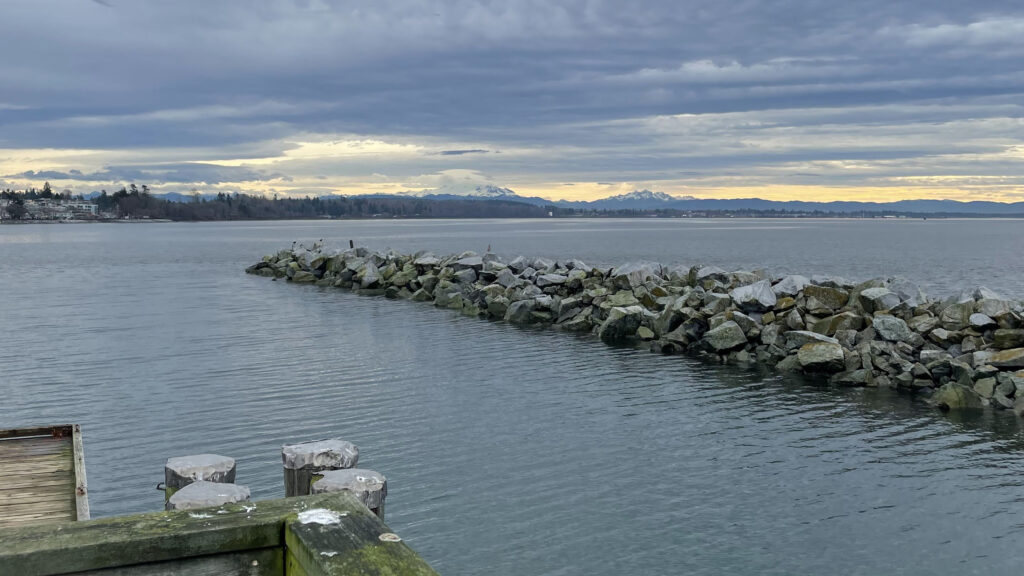
A beautiful pier to clear the head on a break from editing.
#4: Take Time to Celebrate Your Wins
Writing is solitary work. It can take a long time to draft and re-draft and draft and re-draft a work. Taking the time to celebrate a milestone is a good habit. It doesn’t have to be a big celebrationg, maybe it’s a walk in your favourite space or a coffee at your local.
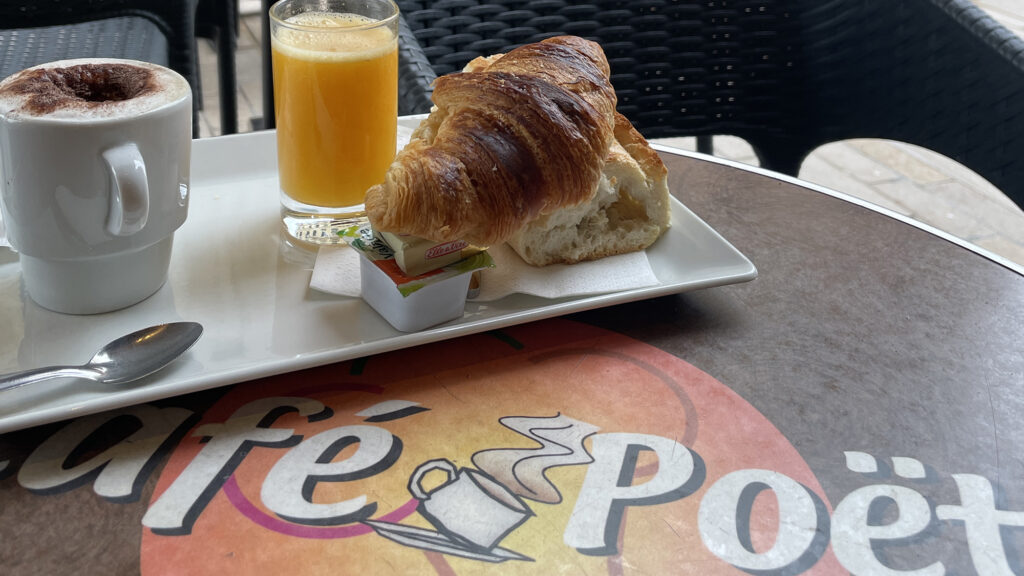
Caffeine and carbs.
#5: Support Indie Presses and Indie Authors
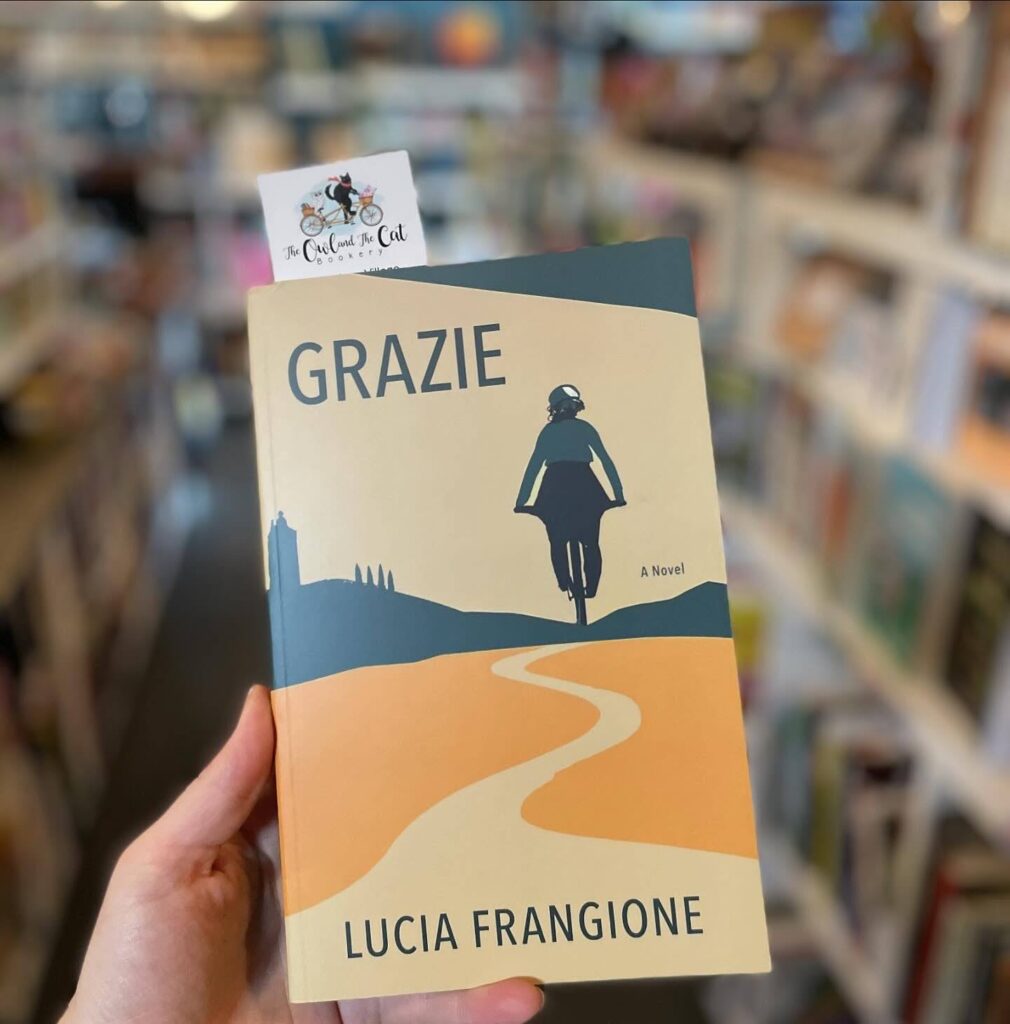
Buy and read books from fellow indie authors to support them and the presses that publish them. Beautiful stores and fantastic stories, it’s a wonderful combination.
Grazie by Lucia Frangione at the Owl and the Cat Bookery.
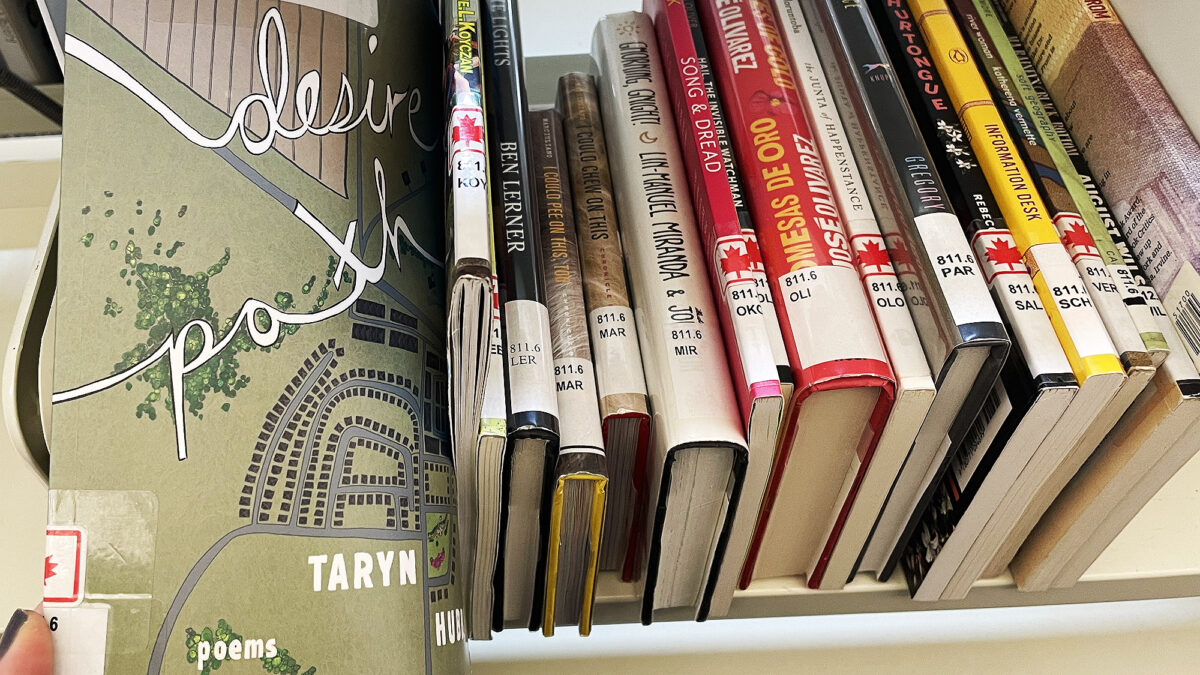
There are so many reasons why writers love public libraries. For as long as I can remember, I’ve regularly visited a local library once or twice a week, and one of the reasons why is because I’ve always lived within close walking distance to one. That wasn’t intentional, but it’s the lucky way it turned out.
As a writer, I read a lot. I buy books to support writers, publishers, and booksellers, but I also borrow many titles across multiple genres and formats (hello audiobooks!) from the library. When I was starting down the path of writing my own book of poetry, one of the first things I did was borrow stacks and stacks of poetry books from the library to see how what those poets did. I studied many things when I read such as:
How is the writing flowing from beginning to end?
What keeps the momentum going?
How is the writer exploring place?
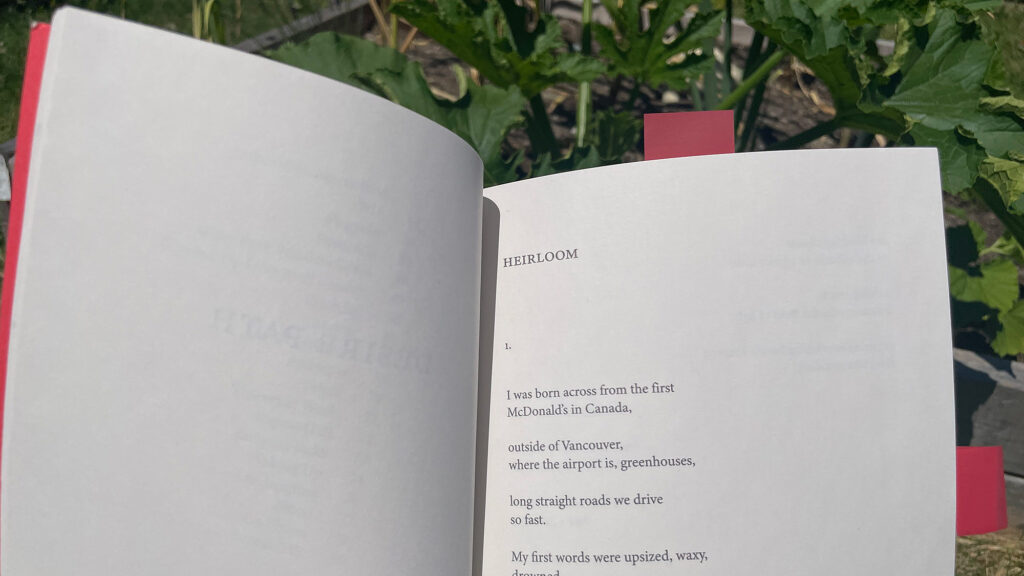
My first book, Desire Path, was a book that centred around my life through my experiences of suburban space. In a way, it was a bildungsroman because it started with a poem reflecting on where I was born and ended with a long poem about my first pregancy.
“Heirloom” in Desire Path (Talonbooks, 2020).
While I did not write a poem about libraries in this book, I very well could have and I like to think that my experiences as a regular library user are quietly working in the background of the poems. All the times I borrowed a book, learning from those poets, this is somehow reflected in my work.
When my book was published and I found my own slender title among the poetry stack in the library, well, it was good feeling and a special moment.
I love spring and fall, but there is something about summer and, even, winter that urges me to dive into a writing project with earnestness. Maybe it has something to do with the extreme weather common to both these seasons now and July is looking like it will shape up to be a hot month in the Fraser Valley.
In June I submitted edited versions of manuscripts to the publishers of both my upcoming books. It felt good. Both projects took years to write and edit, and both projects were started in the summer. It could be the heat of the summer that inspires me or maybe it’s the fact that the year is half-way through that fills me with the urgency needed to commit to a project consistently.
This summer I am working through the first revision of a new novel project. I started writing the first draft the summer of 2022 thinking that I could have it finished by December 2022, but it ended up taking me until December 2023 with everything going on in my life.
And here I am in the summer of 2024 starting down the path of the first major revision. Instead of being disappointed by how long it has taken me, I’m choosing to see the time away from the work as being helpful. And while I have probably forgotten a few of the aspects I had planned to address in the first revision while I was writing it, that’s probably okay.
There is something both gratifying and overwhelming about approaching a second draft. I have one novel project that I didn’t pursue past the initial messy draft. When I look at the file on my computer, I marvel that I even completed a full draft of that story. I wrote it during my first maternity leave. And while it holds a special place in my heart, there is only so much time I can give to my writing so I need to be working on projects that I truly love. I liked the old book, but didn’t feel I had the energy to give it all the work it needed. It was good practice.
This new revision project, on the other hand, I hope I can get through it this summer. My first novel took eight drafts to get to the shape I was happy with. And there is always more to do on a project, but there comes a time when I need to let it go to make space for a new one.
How I Approach the Second Draft
In the first big revision, i.e. my second draft, I approach it the following way:
Take time away
Print out a copy
Read the copy first, taking notes on overarching themes and big plotholes but doing minimal page edits
Do a ruthless hardcopy edit (i.e. strike A LOT out)
Translate the edits to a new document and generate new writing
Then take another break and maybe start on something else, like an outline for my next project.
I’m curious to see how many edits it will take me this time…